Skip to content
The Olfia Edit

Scent Library

Seven fragrance families, seven little stories.

01

Floral

The largest family in perfumery, built around flowers: from fresh-cut petals to soft, powdery blooms.

rose · jasmine · peony · orange blossom · iris

At home: bedrooms and living rooms in spring and summer.

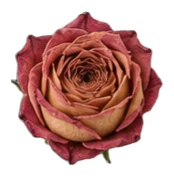
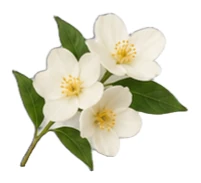
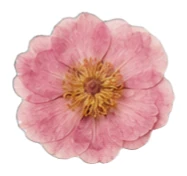
dried rosejasminepeony

A Garden That Takes Its Time

Not every floral scent comes from a flower. Rose and jasmine have long been prized for their fragrant petals, while peony, celebrated in Chinese culture as the “king of flowers,” is often recreated as a delicate perfume accord. Orange blossom has adorned wedding bouquets for centuries, symbolizing both innocence and fertility. And iris holds the loveliest secret: its soft, powdery scent comes not from the petals, but from underground rhizomes that require years of aging. Together, these flowers reveal something unexpected about floral perfumery. The freshest impression of a garden can take years of cultivation, patient extraction, and a little imagination to create.

Try Floral in a room
02

Gourmand

Scents you could almost eat. A younger family that grew popular in the 1990s.

vanilla · tonka · honey · coffee · caramel

At home: cozy evenings; a little goes a long way in small rooms.

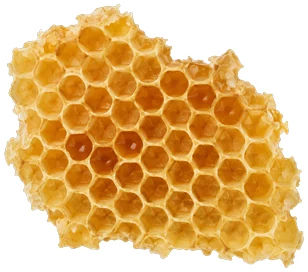
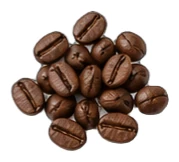
vanilla podhoneycombcoffee beans

The Dessert That Changed Perfumery

For centuries, perfume was expected to smell like flowers, woods, or spices—not dessert. That changed in 1992, when Mugler's Angel helped launch the gourmand fragrance movement with an unapologetically sweet blend of caramelized notes, honey, and vanilla. Its secret was partly chemistry: ethyl maltol, an aroma molecule reminiscent of cotton candy and caramel. Today, perfumers build on that delicious idea with roasted coffee, golden honey, and tonka bean, whose natural coumarin gives off hints of vanilla, almond, and warm hay. What makes gourmand fragrances fascinating is that their sweetness isn't necessarily about food. It's about making something invisible feel familiar, comforting, and almost edible.

Try Gourmand in a room
03

Warm & Spicy

Called Amber on the fragrance wheel (once “Oriental”): resins, balsams and warm spices.

amber · cinnamon · clove · frankincense · tobacco

At home: autumn and winter, layered over woods.

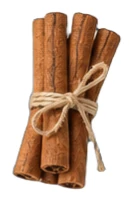
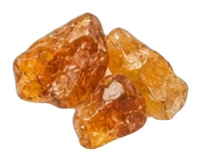
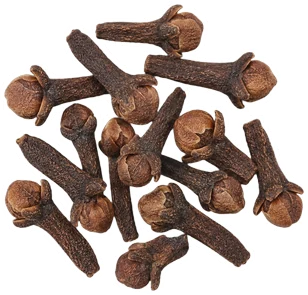
cinnamonresinclove

A Little History of Warmth

Long before scented candles, people perfumed their surroundings with smoke. Frankincense, a resin harvested from Boswellia trees, traveled along ancient trade routes and burned in temples and ceremonies. Cinnamon bark and dried clove buds brought warmth from the spice trade, while tobacco, introduced to Europe from the Americas, eventually contributed its sweet, earthy character to perfumery. Amber ties these materials together, though the amber of perfume is usually a constructed accord rather than a substance extracted from fossilized resin. It is a blend of warmth, sweetness, and depth. Perhaps that's why these scents feel so familiar in winter: they bring centuries of ritual, trade, and gathering into a single room.

Try Warm & Spicy in a room
04

Woody & Earthy

Dry woods, mosses and roots. Often the base that makes a scent last.

cedar · sandalwood · vetiver · oakmoss · patchouli

At home: reading corners, studies and living rooms.

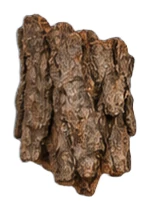
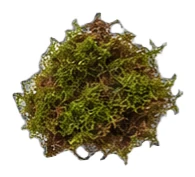
cedar ringbarkmoss

The Forest Isn't All Wood

Some of perfumery's most beloved woody scents don't actually come from trees. Cedar gives us the dry, familiar smell of pencil shavings, while sandalwood offers a creamy softness and has long been used in Indian spiritual traditions. But vetiver's smoky earthiness comes from the roots of a grass, oakmoss is a lichen growing on tree bark, and patchouli belongs to the mint family. In the nineteenth century, patchouli leaves even traveled tucked between imported shawls, leaving a distinctive scent that became fashionable in Europe. Together, these materials recreate an entire forest—from sun-warmed timber to damp earth. Their deeper, slower-evaporating aromas also help a fragrance linger long after its brighter notes disappear.

Try Woody & Earthy in a room
05

Green & Herbal

Crushed leaves, cut stems and kitchen herbs. Aromatic notes like lavender sit here too.

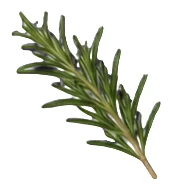
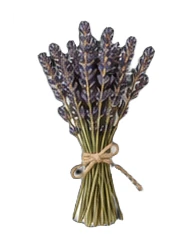
basil · tomato leaf · rosemary · lavender · green tea

At home: kitchens and work desks; it cuts through cooking smells.

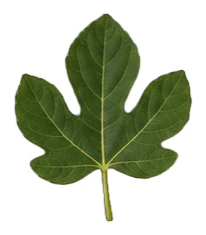
fig leafrosemarylavender

The Scent of Something Growing

Before a tomato becomes a tomato, its leaves already have a scent: sharp, green, and slightly bitter. Crush one between your fingers and you'll understand the appeal of herbal perfumery. Basil brings a peppery freshness once celebrated in Arabic perfumery, while rosemary, used in the historic fragrance Hungary Water, adds a brisk, almost camphor-like edge. Lavender contributes a softer, floral-herbal character, and green tea offers a delicate, leafy impression, often recreated through carefully blended aroma molecules. Unlike sweet florals or warm woods, these scents seem to capture plants in the middle of living—freshly cut, gently bruised, or steeping in a cup. A garden, with all its imperfect freshness, brought indoors.

Try Green & Herbal in a room
06

Citrus & Fruit

Bright notes pressed from peels, plus juicy fruit. They are the first to fade.

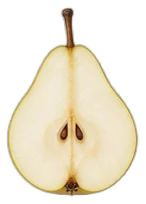
bergamot · lemon · blood orange · grapefruit · pear

At home: mornings, entryways and kitchens.

orange slicelemon peelpear

A Brief Moment of Sunshine

The sparkle of a citrus fragrance begins in the peel. Bergamot, cultivated along the coast of Calabria, lends its distinctive aroma to Earl Grey tea. Lemon brings a sharper zest, while blood orange adds a juicy, almost raspberry-like sweetness. Grapefruit has a surprisingly recent history: a hybrid of pomelo and sweet orange, it emerged in the Caribbean centuries after many other citrus fruits were already cultivated. Pear, meanwhile, contributes a softer, watery fruitiness that balances their brightness. Together, they make some of perfumery's most fleeting top notes. Their aromatic molecules evaporate relatively quickly, which explains why a citrus fragrance can feel like the first burst of morning light: vivid, uplifting, and impossible to hold onto forever.

Try Citrus & Fruit in a room
07

Fresh & Clean

Water, air and clean laundry. Light, airy and easy to live with.

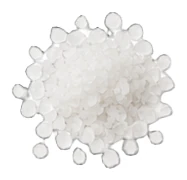
sea salt · rain · ozone · cotton · cucumber

At home: bathrooms and entryways, any season.

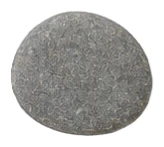
sea saltlinenpebble

Can You Bottle the Air After Rain?

What does clean actually smell like? Surprisingly, many things we associate with freshness have little scent of their own. Sea salt isn't responsible for the full smell of the ocean, and cotton doesn't naturally smell like freshly washed sheets. Perfumers create these impressions by combining aroma molecules: airy ozonic notes, soft laundry-like musks, and watery cucumber accords. Rain brings another fascinating clue. Its familiar earthy smell, known as petrichor, is partly associated with geosmin, a compound produced by soil microorganisms. In the 1990s, marine aroma molecules such as Calone helped popularize a new generation of aquatic fragrances. Freshness, it turns out, isn't one particular smell. It's a carefully constructed memory of water, air, and open space.

Try Fresh & Clean in a room